Equipped with an economy of dialogue and visuals that are sustained with patience, the short film is a reflection on isolation and loneliness. It further presents the unexpected paths that Bittu and Shalu find themselves going on without realising.
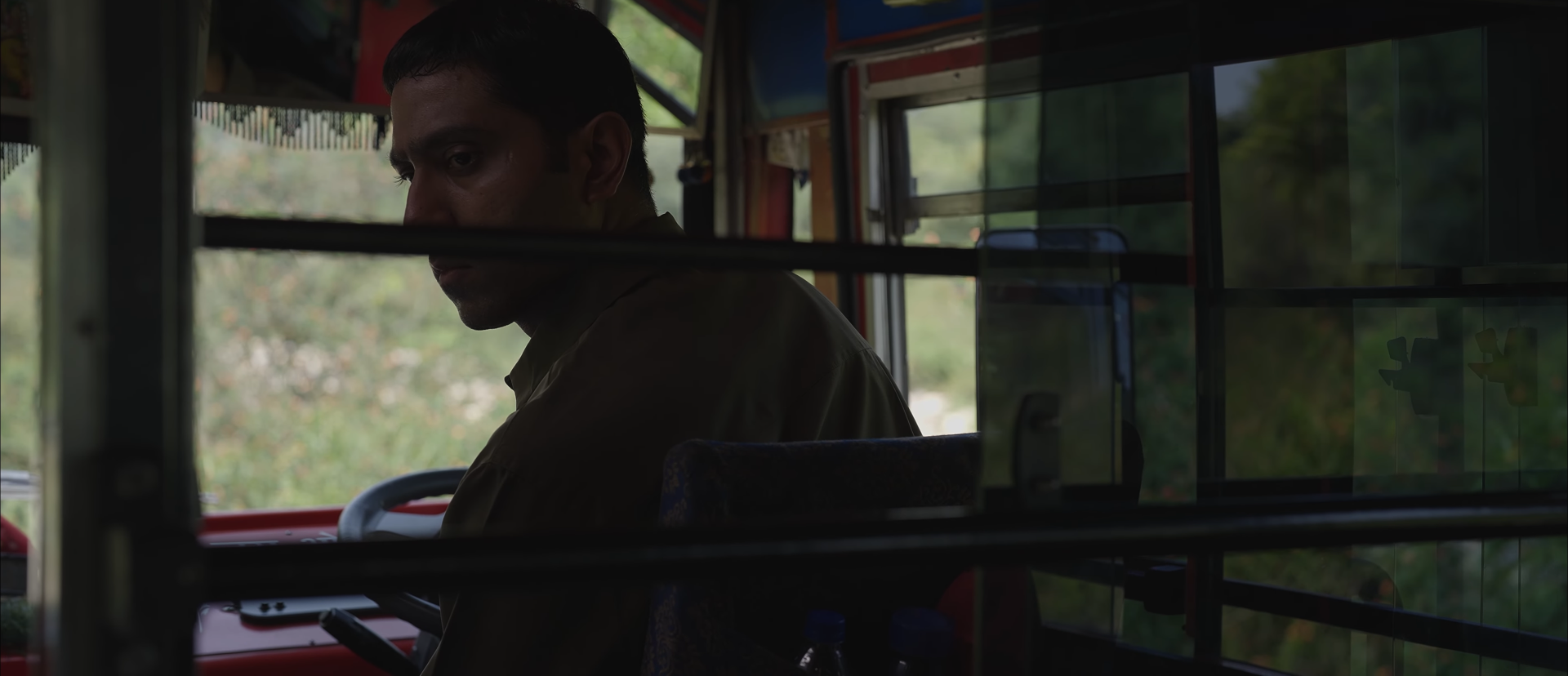
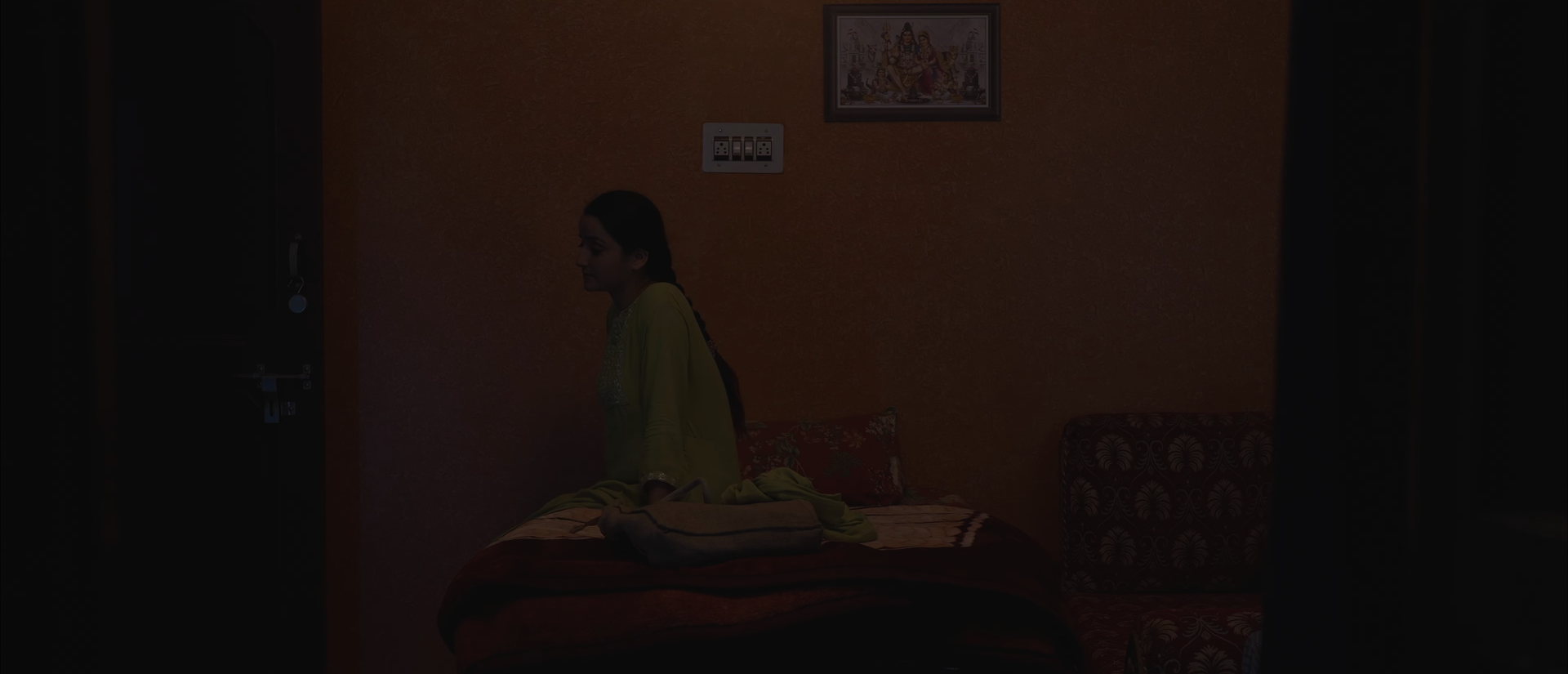
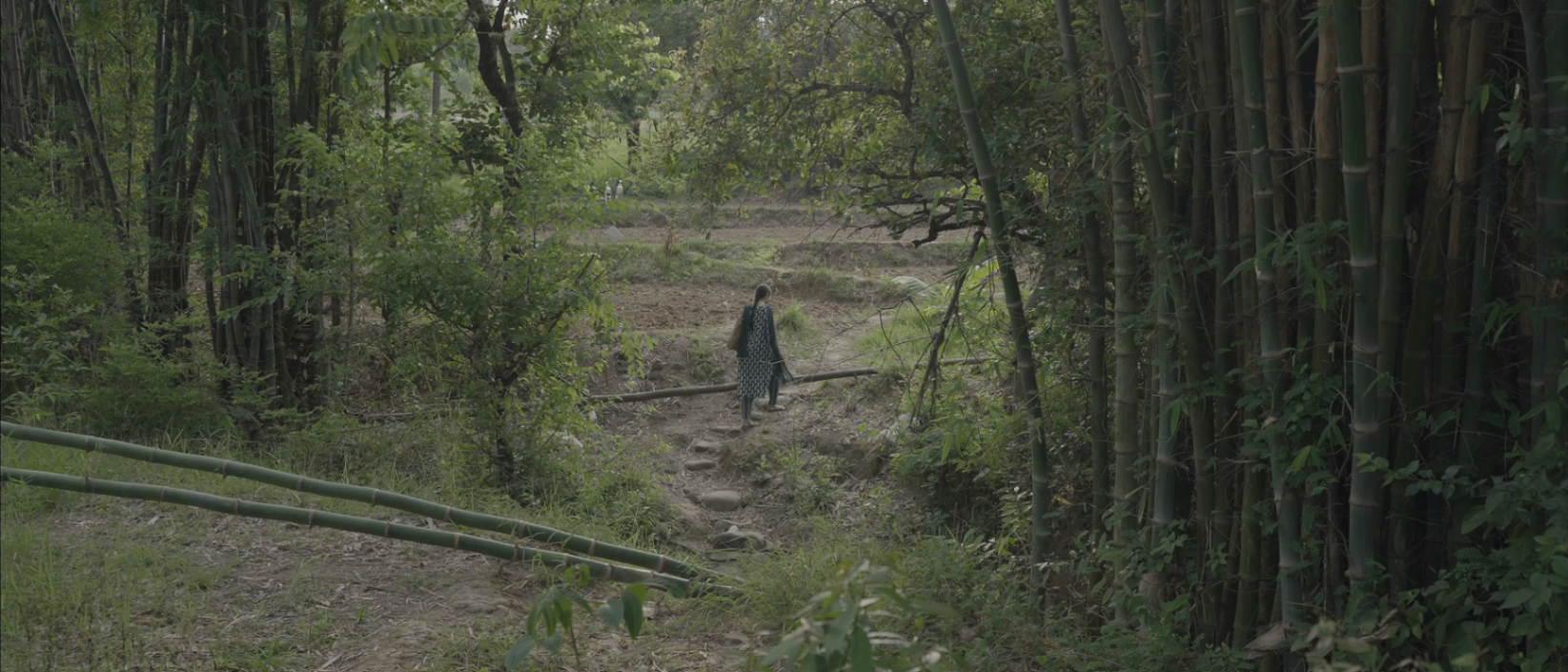
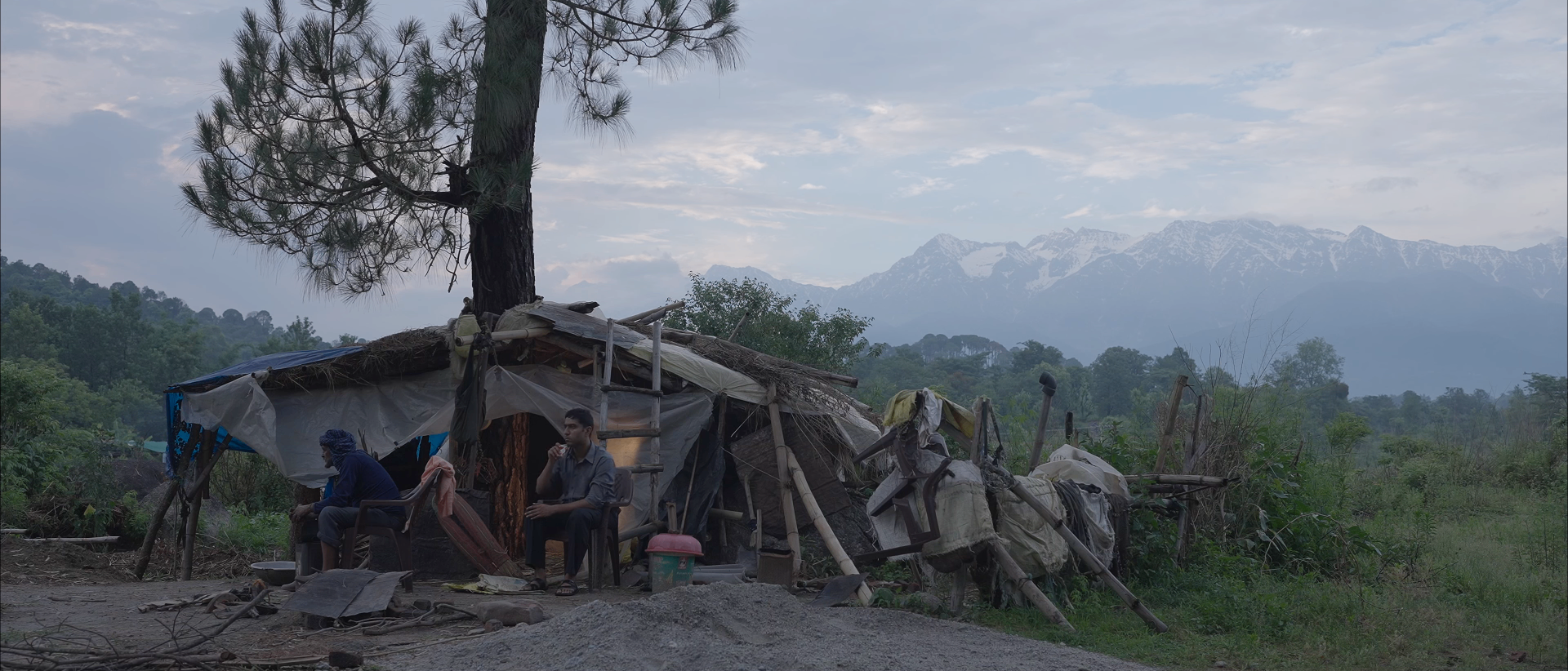
The story takes us first into Bittu's life; he is a bus driver in a quiet corner of Himachal Pradesh. His life is defined by marital turmoil and the mundaneness of his days. Parallel to this, in a farther removed corner is Shalu, who leads an existence of control and strict familial structures, spending her days in silence and duty. When the two stumble across each other, an unexpected bond begins to form, and the narrative and the screenplay do a well-paced job of presenting an organic portrayal of the same. The performances further bolster the endeavor.
When the friendship is just about to develop into something more meaningful, ideological differences about the ideas of caste and how they translate into one's lived reality afflict this equation. In the process, the film offers a relevant comment on how politics and one's differing approaches can completely alter an equation. The question that remains intrinsic to the narrative is whether our two characters would be able to overcome this chasm and find a common ground. The end result is a notable exploration of the same, presenting a definitive answer as the story concludes.